Commercial Waste Cobham: Recycling and Sustainability
 Commercial Waste Cobham is committed to creating an eco-friendly waste disposal area for businesses across Cobham and neighbouring boroughs. Our approach blends practical collection services with long-term sustainability targets, recognising that local commerce has a vital role in building a resilient, circular economy. By focusing on segregation at source, reuse partnerships and low-impact transport, we aim to transform how commercial rubbish is managed in the area.
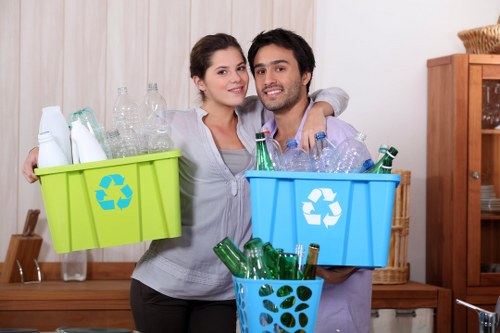
We support the boroughs' approach to waste separation and align with local council schemes that emphasise food, paper, glass and mixed recyclables separation. Cobham commercial waste customers are encouraged to follow clear colour-coded containers and internal sorting to increase capture rates. Clear, simple workplace segregation helps ensure recyclables enter the right streams and minimises contamination of loads en route to transfer stations.
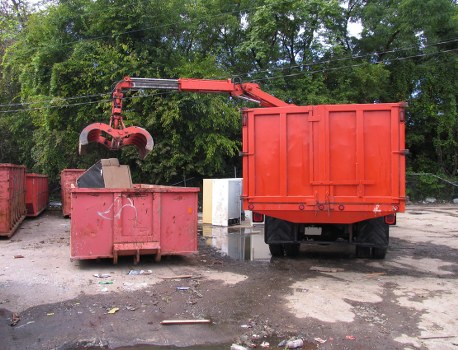 Our recycling percentage target is ambitious and measurable: we are targeting a 70% recycling rate for all commercial collections by 2030, with interim milestones each year to track progress. That target covers material reuse, mechanical recycling and organic processing; it also includes diversion of bulky and construction waste into reuse channels and dedicated recycling facilities.
To make the sustainable rubbish area vision practical we partner with local transfer stations across Surrey and beyond. Regularly used sites include Walton and Shepperton transfer stations as well as regional hubs near Woking that specialise in segregated commercial streams. These facilities enable efficient consolidation, mechanical sorting and onward processing to recyclers and anaerobic digestion plants for food waste.
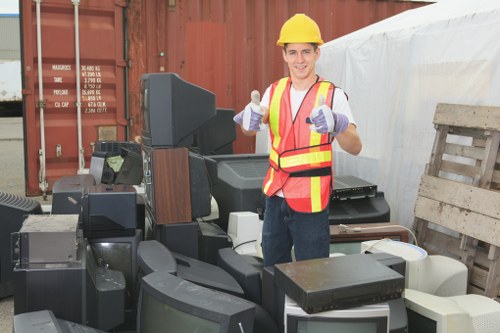
Our collections cover a wide range of commercial material types: office paper and cardboard, glass and cans, food and garden organics, WEEE (electrical items), pallets, furniture and construction rubble. We work with clients to tailor collection frequencies and container types so that each business participates in an effective, low-contamination system — a cornerstone of any successful eco-friendly waste disposal area.
 We also emphasise reuse: through partnerships with charities and reuse organisations, recoverable items are diverted from the waste stream to benefit local communities. These collaborations reduce landfill, extend product life cycles and bolster social value in the region.
Our charity partnerships include local and regional organisations that specialise in furniture reuse, clothing redistribution and employment-support projects. Typical partners include reuse networks that accept commercial furniture and fixtures, local foodbanks for surplus edible waste redirected via safe redistribution channels, and electronics reuse charities that refurbish surplus devices for community use. These alliances make our waste service about more than removal — it creates social as well as environmental value.
We maintain a strong focus on logistics efficiency to reduce carbon emissions. Our fleet includes low-carbon vans — hybrids and battery-electric vehicles — and we invest in telematics and route optimisation. These measures lower tailpipe emissions and improve air quality in the town centre, supporting the broader municipal goal of a low-emission commercial district.
Examples of operational practices that support a sustainable rubbish area include scheduled audits, material mapping, staff training and on-site signage to maintain separation standards. We provide practical training sessions so that loading teams, facilities managers and reception staff understand how to keep dry recyclables clean and food waste uncontaminated.
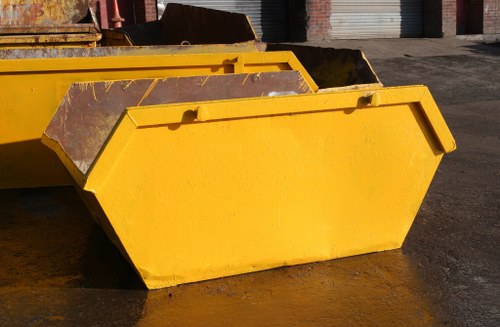 For businesses undertaking refurbishments or small construction projects we offer targeted streams for inert materials, timber and metals, ensuring these materials are sent to appropriate recycling facilities rather than general waste. Commercial rubbish Cobham services incorporate skip-sorting options and dedicated routes to aggregate recyclable construction aggregates and timber for recovery.
We publish annual metrics to demonstrate progress against our targets: diversion from landfill, total tonnes recycled, percentage of waste reused through charity partners and reductions in fleet emissions. Our aspiration is to transparently report improvements and to set an example of measurable sustainability in a suburban commercial setting.
 Key features and services that help businesses transition to a greener footprint include:
- Segregated collection options for paper, glass, cans, and organics
- Bulky waste and WEEE reuse pathways with charity partners
- Construction and demolition material recovery
- Low-carbon fleet and route optimisation to lower emissions
- Regular site audits and staff briefings to reduce contamination
Measuring success and continuous improvement
We consider success to be both quantitative and qualitative: meeting the 70% recycling target is critical, but so is building long-term relationships with charities, transfer stations and the borough councils whose waste separation policies guide daily practice. Continuous improvement includes piloting new containers, trialling on-site compactors for cardboard and reviewing service frequencies to match business footfall and waste generation patterns.
Community and commercial collaboration
Our approach recognises that an eco-friendly waste disposal area requires collaboration — businesses, boroughs, transfer stations and charity partners all contribute. By working together, Cobham can model a sustainable commercial district that reduces environmental impact while supporting community reuse and employment opportunities.Commercial Waste Cobham is ready to support local businesses that want to reduce costs, meet regulatory expectations and demonstrate visible sustainability. With ambitious targets, smart logistics and community partnerships, we are shaping a greener future for commercial waste management in the area.
