Health and Safety Policy — Commercial Waste Cobham
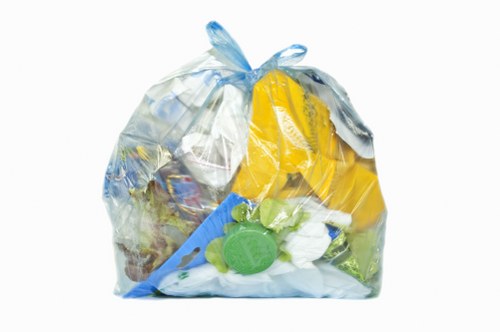 Introduction: This Health and Safety Policy sets out the commitment and practical arrangements for safe operation across our commercial waste and rubbish collection services. It applies to all staff, contractors and visitors engaged with commercial waste handling, transfer, and disposal activities. The purpose of this document is to reduce risk, prevent injury and protect property while delivering efficient rubbish removal and commercial refuse services within our service area. Safety is a core value and every activity is planned and assessed to meet this standard.
We recognise our legal and moral obligations to manage risks associated with commercial refuse collection and related operations. The policy emphasises hazard identification, the use of appropriate control measures, and continual improvement of health and safety performance. Responsibilities are defined at organisational and individual levels to ensure accountability and consistent application of safety practices across all commercial waste services.
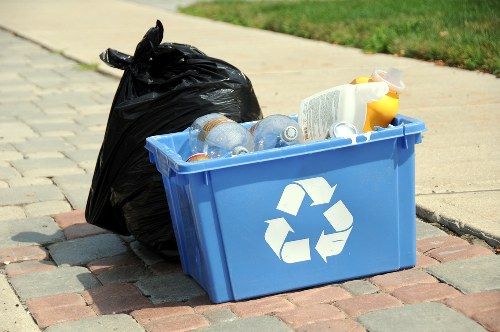
Scope and Applicability
This policy covers all elements of commercial rubbish removal: on-site collection, vehicle operation, transfer station activities, manual handling of bins and sacks, segregation of recyclable materials, and handling of bulk or hazardous wastes. It is relevant to all colleagues involved in commercial waste collection, customer site work, depot operations and third-party contractors engaged to support our commercial rubbish operations.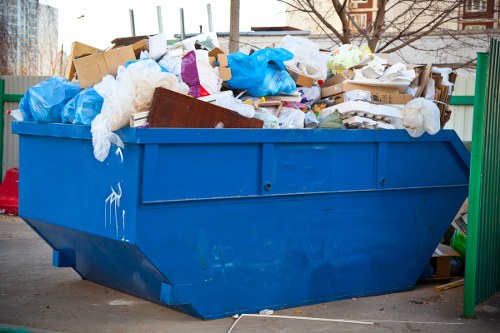
Risk Assessment and Control Measures
Risk assessments are carried out for routine tasks and unusual operations associated with commercial waste services in Cobham and surrounding areas. These assessments identify hazards such as manual handling injuries, slips, trips and falls, vehicle incidents, exposure to harmful substances, and sharps or contaminated waste. Appropriate controls are implemented according to the hierarchy of controls: elimination, substitution, engineering controls, administrative controls and personal protective equipment (PPE). Key controls include safe lifting techniques, segregation procedures for hazardous materials, secure containment of loose waste, and clear exclusion zones during vehicle manoeuvres.Operational controls include documented safe systems of work, traffic management plans around collection points and depots, routine vehicle inspections, and maintenance schedules. All rubbish collection vehicles are fitted with safety features and are inspected daily to confirm lights, braking systems, hydraulic lifts and containment are functioning correctly. Drivers and loaders must comply with vehicle-specific checklists before commencing duties.
Personal protective equipment is issued based on task-specific risk assessments. Items include gloves, high-visibility clothing, safety footwear, eye protection and respiratory protection where indicated. The organisation emphasises the correct selection, fitting and maintenance of PPE, and ensures that replacement items are available without delay to maintain continuous protection.
 Training, Competence and Supervision: A structured training programme supports the delivery of safe commercial rubbish services. All employees receive induction training covering policy expectations, emergency procedures, manual handling, safe vehicle operation and waste segregation. Further role-specific training is provided for drivers, plant operators and supervisors. Training records are maintained and competence periodically reassessed to reflect changes in equipment, legislation and working practices.
Supervisors play a critical role in monitoring compliance, coaching safe behaviours and ensuring that staff are competent to carry out their duties. Toolbox talks and on-the-job briefings are conducted regularly to reinforce safe working methods and to share lessons learned from incidents or near misses reported across the commercial waste network.
 Incident Reporting and Emergency Response: All accidents, incidents and near misses must be reported promptly through established reporting channels. Thorough investigations are conducted to identify root causes and implement corrective actions to prevent recurrence. Emergency procedures are in place for spills, vehicle collisions, fires and exposure to hazardous wastes. These procedures include containment measures, emergency contacts for specialist services, and arrangements for medical treatment when necessary.
Health and Wellbeing: The policy recognises that workforce wellbeing contributes to safety. Measures to support health include fatigue management, occupational health referrals where exposure risks exist, and access to information on safe lifting, ergonomics and stress management. Vehicle rota design and workload planning consider rest breaks and avoidance of excessive shift durations that could increase the risk of incidents.
Monitoring, auditing and continuous improvement are integral to maintaining a high standard of health and safety. Regular audits, inspections and performance reviews measure compliance with this policy. Key performance indicators, such as incident rates, audit findings and training completion, are monitored and reported to senior management to drive improvement actions across the commercial waste operation.
Consultation and Communication: Employees, contractors and where appropriate customers are consulted on health and safety matters affecting commercial waste services. Safety committees and regular meetings provide forums for raising concerns and sharing best practice. Safety notices, updates and procedural changes are communicated promptly. Everyone is encouraged to contribute to a positive safety culture by reporting hazards and suggesting improvements.
Policy Review and Commitment
This Health and Safety Policy is reviewed periodically to reflect operational changes, evolving risks and regulatory updates. Amendments are implemented and communicated to ensure that commercial waste and rubbish collection services remain safe, sustainable and reliable. The organisation is committed to providing the resources necessary to meet this policy and to ensure safe outcomes for employees, customers and the public.Responsibilities
Management retains responsibility for policy implementation and for allocating sufficient resources for safety controls. Employees are responsible for following safe systems of work, using PPE correctly and reporting hazards or incidents. Contractors must operate in accordance with the same high standards and cooperate with our safety arrangements when working on site.Conclusion: By integrating risk management, training, robust procedures and open communication, this policy seeks to minimise harm and support the safe delivery of commercial rubbish and waste collection services. Continuous vigilance, shared responsibility and a commitment to improvement underpin our approach to health and safety across all commercial waste activities.
